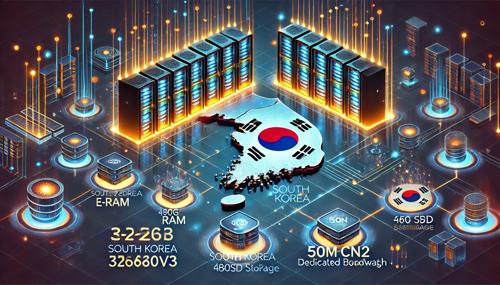
in today's digital age, it infrastructure management of enterprises is particularly important. with the continuous development of technology, enterprises are facing the pressure of equipment aging and renewal in the process of using servers. the server recycling market in south korea is gradually emerging, providing enterprises with an efficient and environmentally friendly solution. this article will explore the impact and management of korean server recycling on enterprise it costs, helping enterprises better understand the benefits of this process.
overview of korean server recycling
korean server recycling refers to the process of recycling, reuse or safely destroying server equipment that is no longer in use. this process not only involves the physical recycling of equipment, but also includes data security and environmental protection processing. through a reasonable recycling strategy, enterprises can effectively reduce it costs, improve resource utilization, and comply with increasingly strict environmental protection regulations. understanding the basic composition of this process can help enterprises make smarter decisions in it management.
the direct impact of server recycling on it cost
server recycling can significantly reduce the it costs of the enterprise. first, by recycling old equipment, companies can reduce the need to purchase new equipment, thereby reducing hardware procurement costs. secondly, data destruction and processing during the recycling process can reduce potential losses and legal risks caused by data breaches. ultimately, companies can gain some benefits by selling old equipment, which can partially offset the investment cost of new equipment. to sum up, the direct impact of server recycling on it costs cannot be ignored.
the indirect impact of server recycling on it management
in addition to direct cost-effectiveness, korean server recycling has also had a profound impact on enterprise it management. by implementing recycling policies, enterprises can establish a more standardized asset management system to improve the transparency and traceability of information technology assets. at the same time, data protection measures during the recycling process can enhance the overall security of the enterprise and enhance customer trust in the enterprise. in addition, companies can also improve employees' environmental awareness and promote sustainable corporate culture during the recycling process.
select the right server recycling service provider
choosing the right server recycling service provider is the key to the successful implementation of the recycling strategy by enterprises. enterprises should consider factors such as the qualifications, experiences and market reputation of the service provider. in addition, service providers should have a complete data destruction process to ensure the security of the enterprise's data. enterprises should also pay attention to whether they comply with relevant environmental regulations and standards to ensure compliance of the recycling process. through careful selection of service providers, enterprises can minimize risks and maximize benefits.
the environmental significance of server recycling
against the backdrop of increasing global environmental awareness, the environmental significance of server recycling is becoming increasingly prominent. by recycling old equipment, enterprises can not only reduce the generation of electronic waste, but also effectively recycle and reuse resources such as rare metals and reduce their dependence on natural resources. in addition, the recycling and reuse of servers can also help reduce greenhouse gas emissions and promote sustainable development. therefore, when managing it assets, enterprises should take environmental protection factors into consideration and actively participate in server recycling activities.
summary and suggestions
the impact of korean server recycling on enterprise it costs is multifaceted, including direct cost savings, and also covering the positive role of it management and environmental protection. when formulating server recycling strategies, enterprises should comprehensively consider factors such as the selection of recycling service providers, data security management, and environmental compliance. through effective management, enterprises can not only reduce it costs, but also improve resource utilization efficiency and enhance market competitiveness. it is recommended that enterprises regularly evaluate their it asset management strategies and adjust their recycling plans in a timely manner to cope with the rapidly changing technical environment.
- Latest articles
- from a technical perspective, which is the best vps in vietnam? comprehensive evaluation method of cpu, memory, i/o and network
- frequently asked questions for outbound travelers: can i use a hong kong server to access the internet? security detection and application suggestions
- Affordable Taiwanese server hosting for beginners – step-by-step guide from deployment to going live
- Feasibility and Risk Assessment of Low-Cost Server Hosting in Hong Kong When Corporate Budgets Are Limited
- malaysia vps security protection best practices and common threat responses
- vietnam cloud server cross-region disaster recovery architecture design key points and recovery time target setting
- korean and foreign server vps data backup and encryption practical experience following security compliance
- what does hong kong site group mean and overseas launch compliance risk analysis report
- hong kong server tencent cloud bandwidth and latency monitoring improves access stability
- Popular tags
-
differences and optimization suggestions between hong kong, united states, japan and south korea site groups
analyze the differences between website groups in hong kong, the united states, japan and south korea, and provide corresponding optimization suggestions to improve the seo performance of the website. -

practical suggestions for cost accounting and bandwidth selection on how to build korean native ip by yourself
this article analyzes the key points of cost accounting and bandwidth selection for building native ip in korea, covering cost structure, bandwidth evaluation, latency testing, compliance and scalability recommendations. it is suitable for technology and product leaders who need to deploy native ip in korea. -

Understand the meaning of Korean native IP and its application scenarios
This article explores the meaning and application scenarios of Korean native IP in depth, helping readers understand the importance of this concept in culture and business.